Pregnancy-Safe Skincare Routine: What to Keep, What to Pause
A simple morning and evening routine for pregnancy and breastfeeding, what ACOG and the AAD say about common actives, and where Vessa is stricter.
7 min read
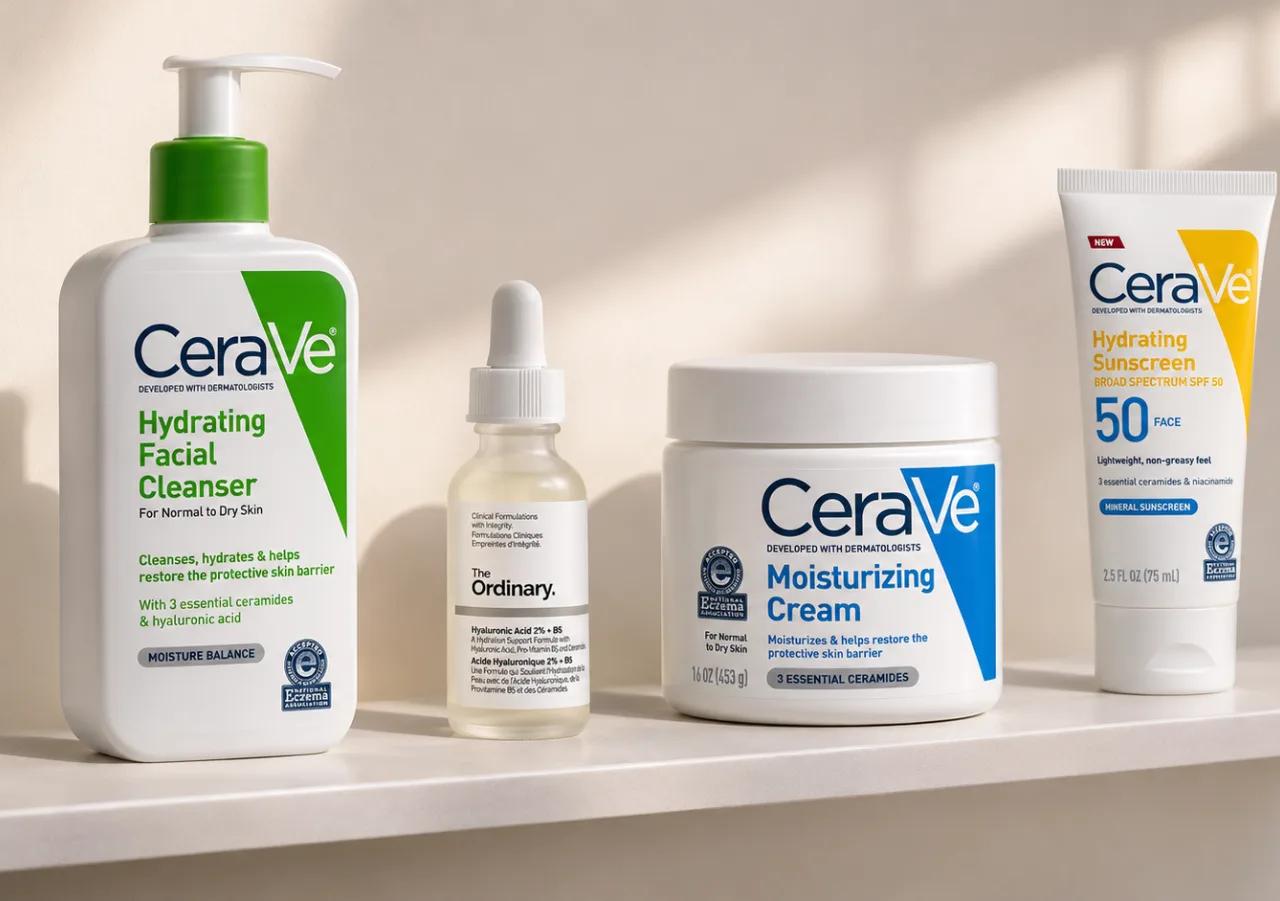
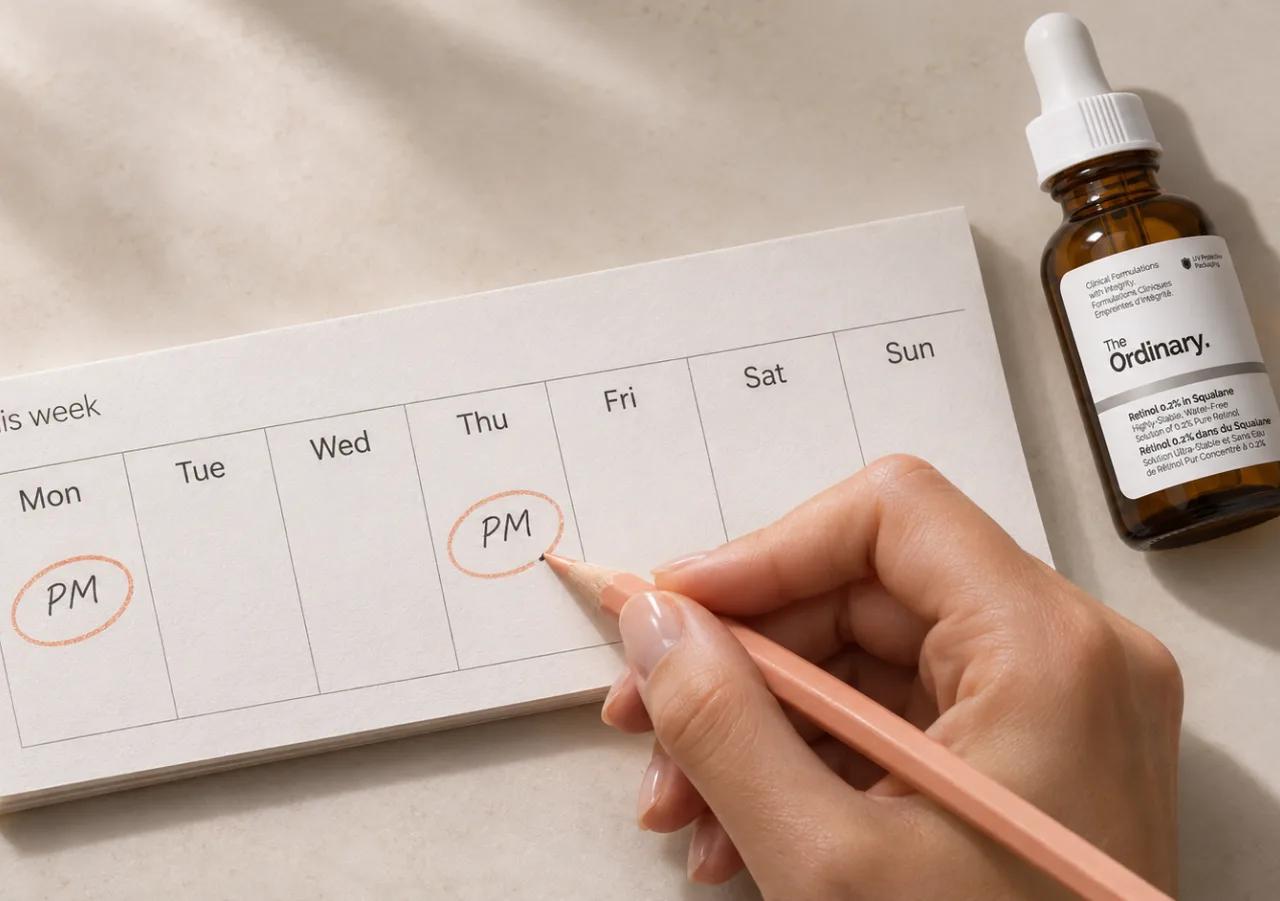
A pregnancy-safe skincare routine is mostly the routine you already know: a gentle cleanser, a moisturiser and a broad-spectrum sunscreen every morning. The main change is to pause retinoids, including retinol, and hydroquinone. ACOG says over-the-counter benzoyl peroxide, azelaic acid, topical salicylic acid and glycolic acid can be used during pregnancy, so check anything else with your obstetrician or midwife.
The short version
Most skincare doesn't need to change when you're pregnant. Cleansers, moisturisers, hydrating serums and sunscreen carry on as before. A few actives are the ones people ask about, and the two big medical bodies in the US agree on the main point: leave retinoids alone until after pregnancy.
- Pause: retinoids of every kind (retinol, retinal, retinyl esters, adapalene, tretinoin, tazarotene) and hydroquinone.
- Generally fine, by ACOG's list: benzoyl peroxide, azelaic acid, topical salicylic acid and glycolic acid.
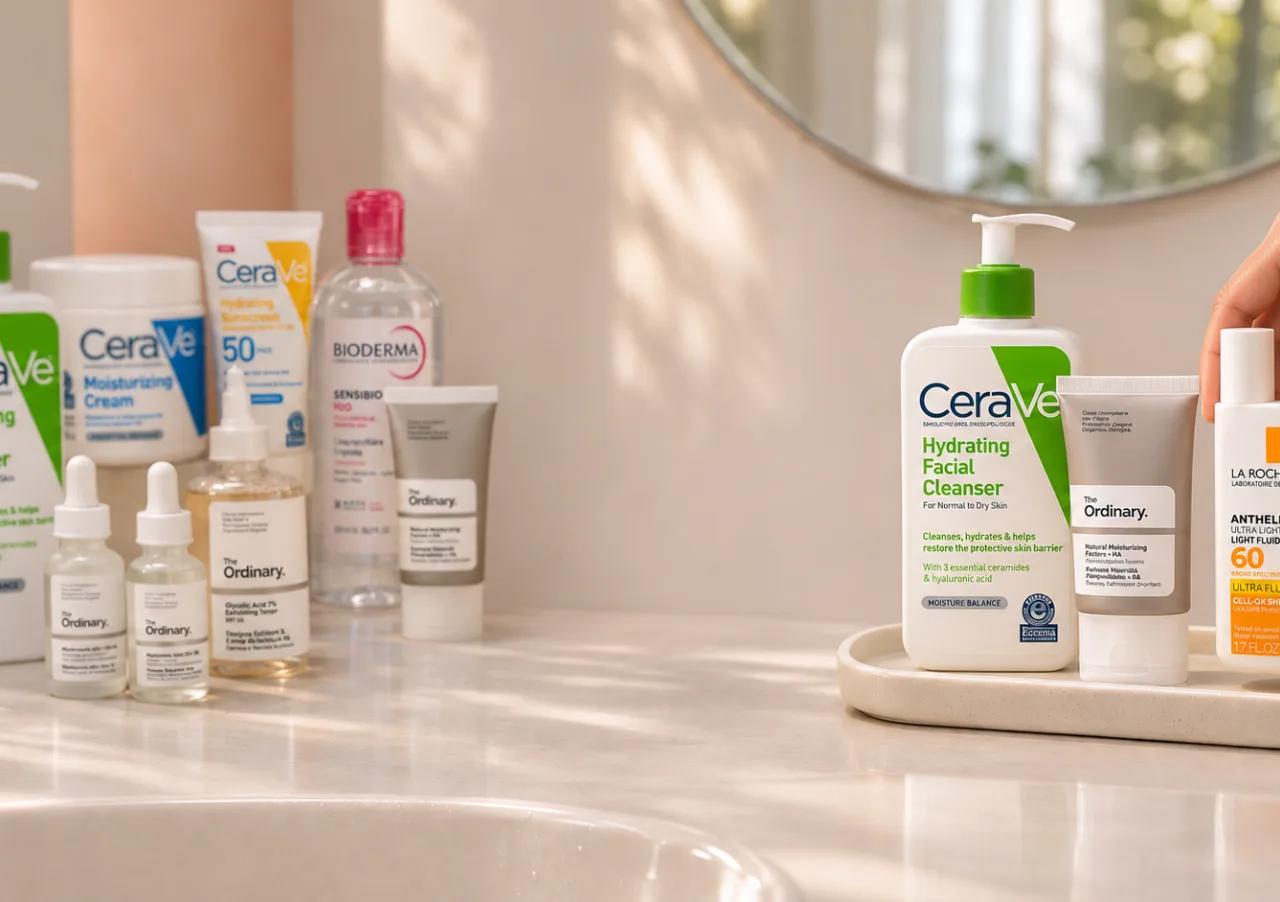
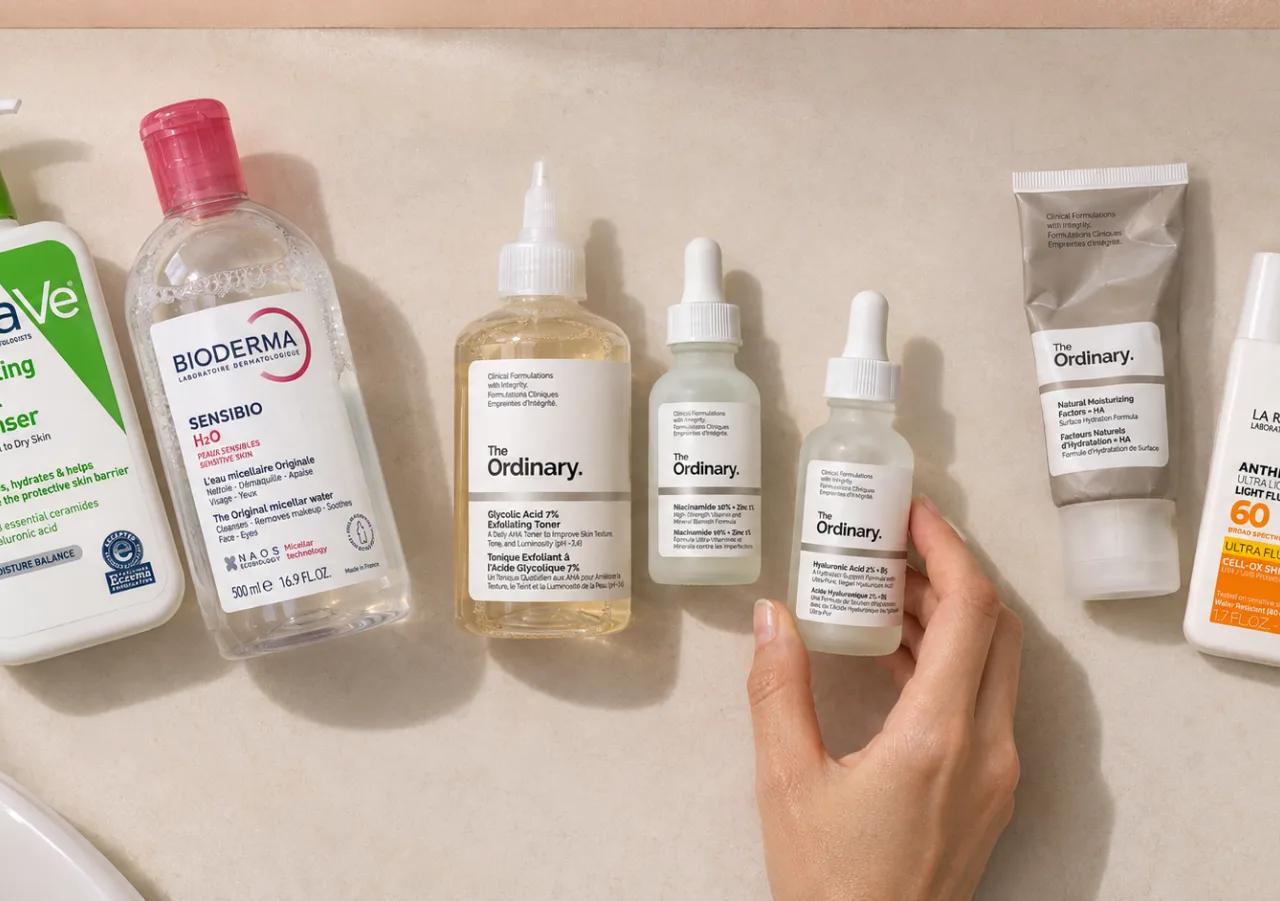
- Keep: cleanser, moisturiser, hyaluronic acid, glycerin, ceramides, niacinamide, vitamin C and sunscreen.
- Ask first: anything prescribed, anything you're unsure about, and any new treatment for a skin problem.
What ACOG and the AAD say
The American College of Obstetricians and Gynecologists keeps a patient page on skin conditions during pregnancy (last updated October 2026). It lists over-the-counter products with topical benzoyl peroxide, azelaic acid, topical salicylic acid and glycolic acid as ones that "can be used during pregnancy". For anything not on that list, it says to contact your ob-gyn.
On topical retinoids, ACOG notes that very little is absorbed through the skin, but that "it is generally recommended that use of these medications be avoided during pregnancy." Oral isotretinoin is a different matter: ACOG says it may cause severe birth defects. The NHS isotretinoin page (reviewed 26 June 2026) says you must not take it during pregnancy or while trying to get pregnant.
The American Academy of Dermatology says much the same, with a little more caution. Its pregnancy skin care page (updated 26 June 2025) lists retinoids and hydroquinone as things to avoid, and suggests using salicylic acid above 2% and benzoyl peroxide sparingly, after talking to your dermatologist. Its page on acne treatment during pregnancy says azelaic acid "is thought to be safe" and that most experts recommend stopping tretinoin and adapalene.
Ingredient by ingredient
| Ingredient | ACOG (patient FAQ, Oct 2026) | AAD | What Vessa does |
|---|---|---|---|
| Retinol and other topical retinoids | Generally avoid | Avoid | Removes them |
| Isotretinoin (oral) | Do not use | Never use | Not a skincare step |
| Hydroquinone | Not mentioned | Avoid | Removes it |
| Salicylic acid (leave-on) | Can be used | Sparingly above 2%, ask first | Removes leave-on, keeps cleansers |
| Glycolic acid (leave-on) | Can be used | Suggested in the evening for colour changes | Removes leave-on, keeps cleansers |
| Benzoyl peroxide | Can be used | Limited amounts, ask first | No pregnancy rule |
| Azelaic acid | Can be used | Thought to be safe | Keeps it, and reaches for it |
| Vitamin C, niacinamide, hyaluronic acid | Not mentioned | Vitamin C suggested in the morning | Keeps them |
For a one-ingredient answer, the pregnancy-safe skincare checker covers each active on its own page, and there are dedicated answers for retinol, salicylic acid and hydroquinone.
A simple routine, morning and night
Morning
- Gentle cleanser, or just water if your skin is dry.
- Vitamin C or azelaic acid serum, if you use one. Both are morning steps in Vessa's routines. See vitamin C and azelaic acid.
- Moisturiser. Ceramides, glycerin and hyaluronic acid are all simple, well-known choices.
- Broad-spectrum sunscreen, SPF 30 or higher, as the last step. Sunscreen matters more than usual if you notice dark patches (melasma), which ACOG mentions in the same FAQ. A mineral filter like zinc oxide is one option if your skin is sensitive.
Evening
- Cleanser, to take off sunscreen and the day.
- A treatment serum, if you need one. Niacinamide or azelaic acid instead of your usual retinol.
- Moisturiser.
That's enough for most people. Pregnancy can make skin more reactive, so this is a good time for fewer products, not more. Not sure where a serum goes? The routine order tool has a pregnancy switch that drops the steps Vessa would remove.
Where Vessa is stricter than ACOG, and why
If you tell Vessa you're pregnant or breastfeeding, it applies hard rules to every routine it builds, including to products you already own:
- Every retinoid is removed, from prescription tretinoin to gentle retinyl esters. So is bakuchiol: it isn't a retinoid, but the app treats it like one here.
- Leave-on exfoliating acids are removed: salicylic, glycolic, lactic and mandelic acid serums, toners and peels. Cleansers with these acids stay, because they rinse off.
- Hydroquinone is removed.
- Azelaic acid or vitamin C is used instead when a goal like breakouts or uneven tone needs a treatment step.
ACOG lists topical salicylic acid and glycolic acid as usable, so Vessa leaving out a leave-on salicylic or glycolic serum is not a medical finding. It's a product choice. The AAD puts limits on salicylic acid strength, and an app reading an ingredient list can't always tell the strength. So when in doubt, the app leaves the leave-on version out and gives you something that does a similar job. If your obstetrician or dermatologist has told you a specific product is fine, that advice comes first.
If you're breastfeeding
The rules in the app are the same for breastfeeding. The evidence is a little different. LactMed, the US National Library of Medicine's drugs-and-lactation database, rates several actives as low risk when used on the skin:
- Topical tretinoin (revised 15 Oct 2024): poorly absorbed, considered low risk, but don't apply it to the nipple area.
- Topical salicylic acid (revised 21 June 2021): unlikely to be absorbed in meaningful amounts, considered safe.
- Azelaic acid (revised 15 Mar 2026): low risk.
- Hydroquinone (revised 15 Mar 2026): not contraindicated, though some experts advise against long-term use.
Vessa keeps one rule for both because it can't know your situation in detail. If you want to go back to a retinoid while breastfeeding, that's a conversation for your doctor or pharmacist, and you can change the setting in the app whenever you're ready.
What a routine can't do
No routine prevents stretch marks or melasma with certainty, and skin changes in pregnancy have many causes. A new rash, intense itching or anything that spreads should be seen by your midwife, obstetrician or a dermatologist, not handled with products. ACOG's FAQ covers the conditions worth mentioning at your appointments.
Build it once, with the rules applied
If you'd rather not check every bottle, the Vessa routine builder asks whether you're pregnant or breastfeeding, removes what its rules exclude, and keeps everything else from your shelf. You can still paste any ingredient list into the free ingredient checker to see what it flags.
Vessa is a skincare app, not medical advice. Ask your obstetrician, midwife, dermatologist or pharmacist before starting or stopping any treatment in pregnancy or while breastfeeding.
Frequently asked questions
ACOG and the AAD both recommend avoiding topical retinoids, retinol included, during pregnancy. Vessa removes every retinoid when you say you're pregnant or breastfeeding. Retinol can usually come back after pregnancy; ask your doctor about timing if you're breastfeeding.
ACOG's patient FAQ lists topical salicylic acid among over-the-counter ingredients that can be used during pregnancy. The AAD suggests using strengths above 2% sparingly and talking to your dermatologist. Vessa is stricter: it keeps salicylic acid cleansers but leaves out leave-on salicylic products.
ACOG lists benzoyl peroxide, azelaic acid, topical salicylic acid and glycolic acid. Azelaic acid is the one Vessa reaches for when retinoids come out. For acne that doesn't settle, ask your obstetrician or a dermatologist.
No. Put retinoid and hydroquinone products aside until after pregnancy, and check the rest with your doctor if you're unsure. In Vessa, owned products that break the pregnancy rules simply stay out of your routine.
ACOG's FAQ doesn't mention it. The AAD's pregnancy page suggests vitamin C in the morning to help with changes in skin colour. Vessa keeps vitamin C and uses it as a morning step.
Sources
- ACOG, "Skin Conditions During Pregnancy" (FAQ169), last updated October 2026: acog.org
- American Academy of Dermatology, pregnancy skin care, last updated 26 June 2025: aad.org
- American Academy of Dermatology, "Is any acne treatment safe to use during pregnancy?": aad.org
- MotherToBaby, "Topical Acne Treatments", 1 February 2026: mothertobaby.org
- NHS, "Isotretinoin: a medicine for severe acne", reviewed 26 June 2026: nhs.uk
- LactMed (NCBI Bookshelf): tretinoin, salicylic acid, azelaic acid and hydroquinone entries, revision dates as listed above